Master Bedroom Design Ideas: Create Your Dream Retreat 2026
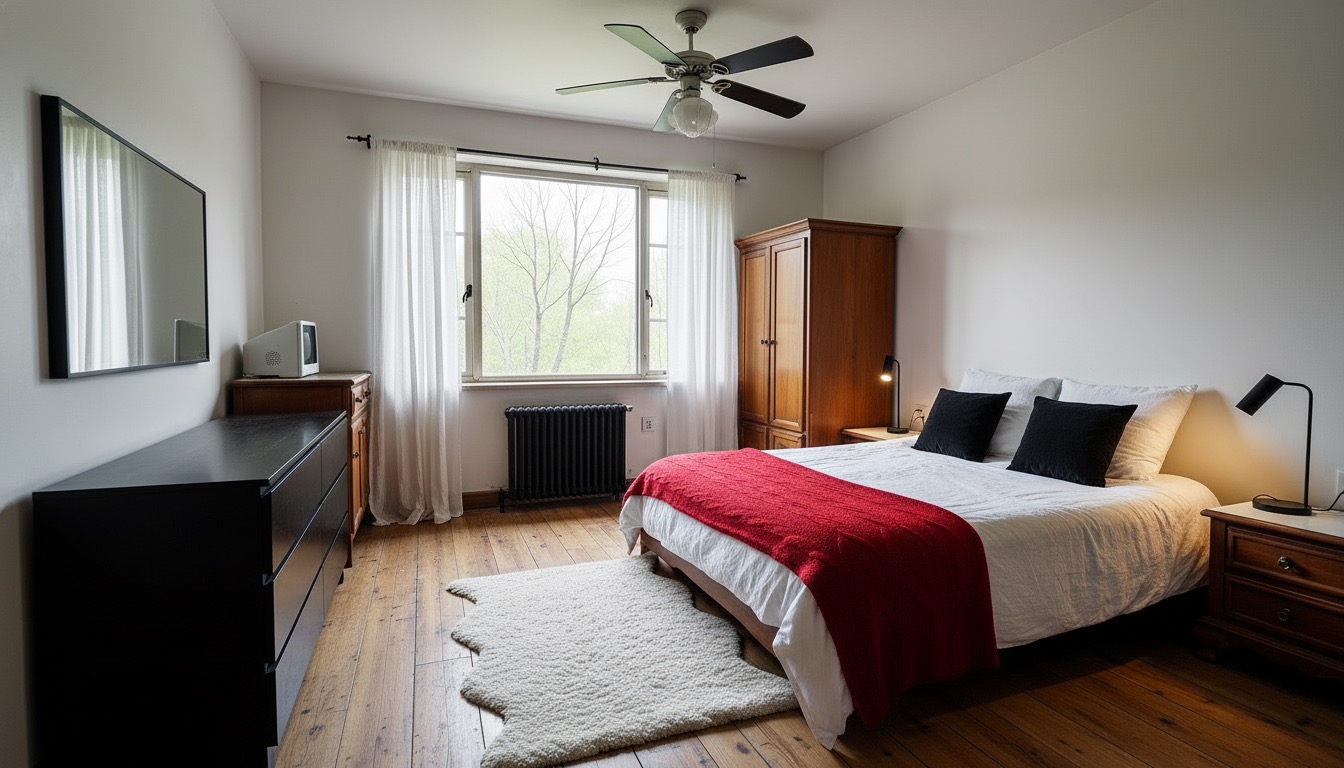
Master bedroom design ideas are the layout, lighting, color, storage, and styling choices that turn a basic sleeping space into a real retreat. In 2026, the best master bedroom design ideas are less about copying hotel photos and more about building a room that supports sleep, recovery, privacy, and daily routines. We use AI room design through MyRoomDesigner.AI to test bed walls, palettes, and furniture scale before buying pieces that may look impressive alone but wrong together.
A strong primary bedroom should not feel like a random mix of trend purchases. It should feel coherent the second you walk in. That usually comes from a few disciplined choices: one clear bed focal point, enough negative space, warmer layers, better lighting, and storage that keeps the room visually quiet. Across AI bedroom design ideas, AI room planning guides, and feedback from users testing bedroom AI redesigns, we keep seeing the same 2026 pattern: calmer rooms win.
Key Takeaways
- Master bedroom design ideas should solve layout, light, storage, and mood together so the room feels restful instead of overdesigned.
- 2026 bedroom trends favor warmer neutrals, larger-scale textiles, softer contrast, and fewer but stronger furniture pieces.
- We recommend starting with the bed wall, rug size, and lighting plan before choosing decor or small accent furniture.
- AI room design makes it easier to compare headboards, paint, drapery, and nightstand scale on your actual room photo.
- MRD links like AI bedroom design ideas, AI bathroom design ideas, and Scandinavian interior design help you keep the bedroom suite consistent in 2026.
What are the most effective master bedroom design ideas to focus on in 2026?
In 2026, the most effective master bedroom design ideas are the ones that create immediate calm without making the room feel bland. That starts with the bed wall because it controls the whole composition. We recommend deciding the headboard shape, bed width, bedside proportions, and wall treatment before almost anything else. When the bed wall is right, the rest of the room becomes easier. When it is unresolved, every later purchase feels like a patch.
The best rooms also pay attention to rhythm. You need a focal point, but you also need breathing space around it. That means avoiding undersized rugs, too many small decor pieces, and nightstands that visually disappear next to the bed. We often compare AI-generated versions in the bedroom AI room designer and then benchmark them against adjacent spaces using bathroom AI redesign ideas and living room AI redesigns. The goal is not just a pretty bedroom. The goal is a believable suite that feels deliberate.
Another 2026 priority is emotional clarity. Is the room supposed to feel cocooning, light, earthy, tailored, romantic, or quiet-luxury minimal? We recommend choosing that answer before you choose a paint chip. If you need stylistic anchors, compare the mood of mid-century modern design, French country style, and bohemian interior design. You do not need to copy any one style literally. You just need a clearer design direction.
How should you plan master bedroom design ideas for layout and circulation in 2026?
We recommend starting with movement. The bed should feel anchored, but the walkways should still be easy. If one side of the room is cramped while another is empty, the room will always feel awkward no matter how expensive the furniture is. In 2026, better layouts are often simpler rather than more dramatic. A centered bed, balanced nightstands, a correctly scaled rug, and a bench or chair placed where it has actual breathing room usually outperform “designer” layouts that ignore daily use.
Layout planning also depends on what the master bedroom has to do beyond sleep. Does it need a reading corner, a vanity, a small desk, or more concealed clothing storage? We use AI room design tools to test those functions separately instead of forcing everything into one first draft. If you are choosing between a chair and larger nightstands, or between a dresser and a cleaner wall, the fastest way to know is to compare them directly on your room photo.
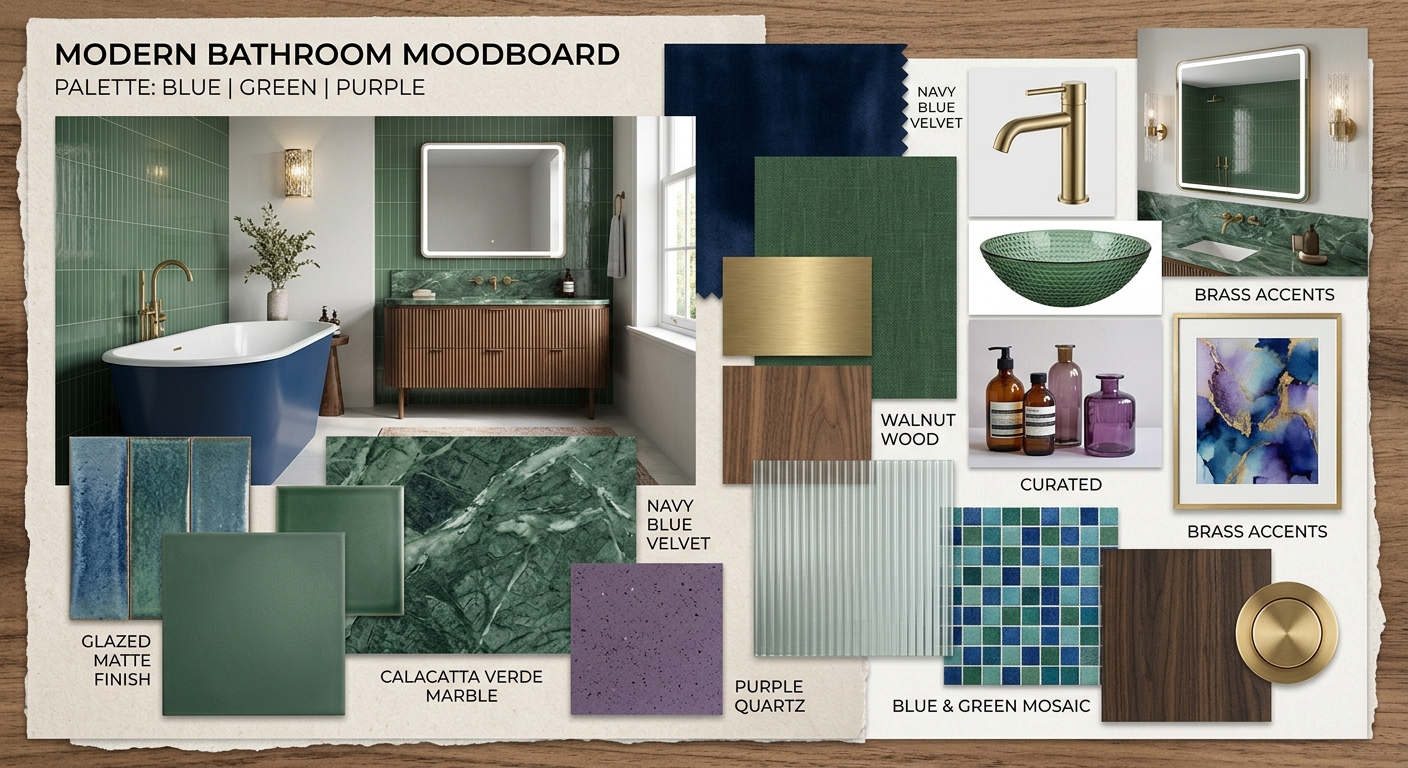
If the bedroom connects to a bathroom, the transition matters. We recommend checking the suite as one experience rather than designing the bedroom and bath in isolation. Compare your layout choices with bathroom design ideas, AI bathroom design ideas, and Decorate Your Home with MyRoomDesignerAI. Shared tones, materials, and lighting temperature make the entire suite feel more expensive in 2026 without requiring identical furniture or tile.
Which 2026 color, material, and textile choices make a master bedroom feel like a retreat?
The 2026 bedroom palette is noticeably warmer than the cool gray bedrooms that dominated for years. We are seeing mushroom, taupe, cocoa, warm white, olive-gray, softened terracotta, and muted charcoal used with more confidence. These colors work because they create softness without washing the room out. We recommend choosing one dominant neutral, one darker grounding tone, and one accent note through textiles or art. That structure keeps the room layered without turning it noisy.
Materials matter just as much as color. Upholstered beds are still strong because they add softness to the largest furniture piece. Wood tones should feel grounded and natural, not overly glossy. Linen-look drapery, weighty bedding, larger rugs, and textured throws do more to create luxury than a pile of small accessories. We use AI room design to test whether the room needs more warmth, more contrast, or just fewer objects. That is often the difference between a nice bedroom and a real retreat.
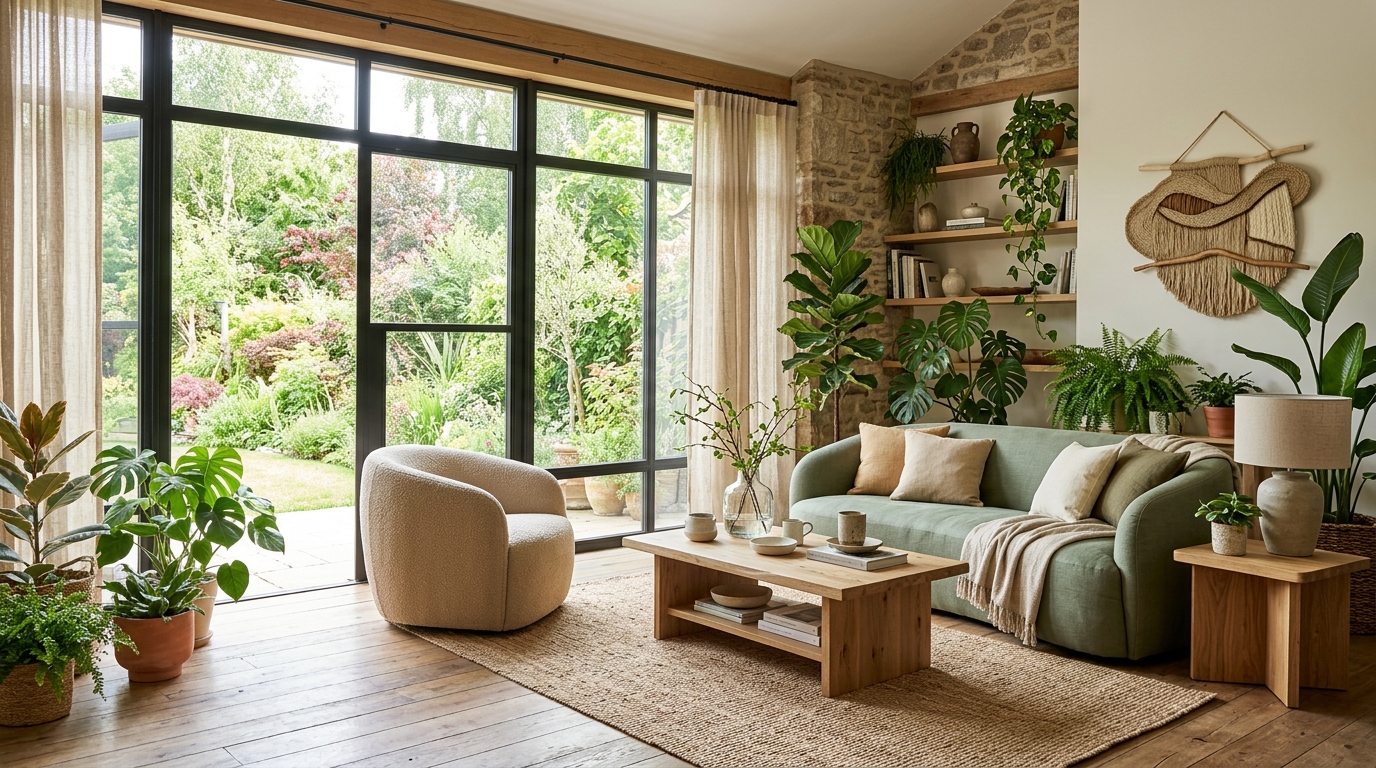
We also recommend borrowing cues from other MRD style guides. If you want cleaner serenity, study Scandinavian interiors. If you want more edge, compare with industrial interiors. If you want softness with more personality, look at California casual and modern farmhouse interiors. In 2026, bedrooms feel most current when they combine restraint with tactile richness.
How can AI room design sharpen master bedroom design ideas in 2026?
AI room design helps because bedrooms are easy to misjudge in theory. A headboard that seemed elegant may feel too small once it sits between two lamps. A dramatic paint color may look rich online and oppressive in your actual room. A bench may feel refined, or it may block circulation. We use bedroom AI redesign workflows to test those questions before money leaves the account. That is the practical value: faster clarity, fewer reversals, and better coordination.
Our recommendation is to run three versions of the same room. First, test the safest direction with minimal risk. Second, test the more aspirational version that pushes contrast or texture further. Third, test a hybrid that keeps the calm but adds one stronger design move. Then compare those to internal references such as AI bedroom design ideas, 3 Best Interior AI Tools in 2025, and how to use AI to design a room. The comparison reveals what is actually improving the room.
We also recommend writing prompts like a designer instead of a shopper. Ask for “warm master bedroom with upholstered bed, wide rug, mushroom walls, layered bedside lighting, linen drapery, and restrained art” rather than “luxury bedroom.” Specificity produces more usable results. In 2026, AI room design is most helpful when it becomes a filter for taste, not a replacement for judgment.
Which master bedroom furniture and lighting ideas have the highest impact in 2026?
The highest-impact bedroom furniture move is still the bed, but scale is what separates good rooms from weak ones. We recommend a bed with enough visual presence to anchor the room, followed by nightstands that can actually hold what you use, not tiny accent tables pretending to be functional. A correctly sized rug is another huge upgrade. In 2026, too-small rugs still ruin otherwise well-designed rooms because they make everything feel temporary.
Lighting is where the retreat quality really happens. A single ceiling light is not enough. We recommend combining ambient light, bedside task light, and one softer decorative layer. That can be sconces, table lamps, a floor lamp in a reading corner, or concealed lighting if the room architecture allows it. We use AI room design to compare lighting moods because bedrooms are judged heavily at night. Daytime photos do not tell the full story.
If you need more storage, choose pieces that support calm rather than increase clutter. A low dresser, better closet organization, or a cleaner media wall often works better than adding lots of small furniture. The same disciplined logic shows up in AI home office design ideas, AI dining room design ideas, and kitchen planning with AI. The room improves fastest when every piece earns its place.
| 2026 Master Bedroom Direction | Best For | Core Pieces | Watch Out For |
|---|---|---|---|
| Quiet luxury neutral | Large rooms that need softness | Upholstered bed, wide rug, tailored drapery, warm lamps | Can feel generic without contrast |
| Earthy contemporary | Homes with warm palettes | Wood bed or nightstands, olive-gray walls, textured textiles | Too many brown tones can look muddy |
| Soft Scandinavian retreat | Bright rooms and smaller suites | Light wood, creamy walls, minimal art, simple lighting | Needs texture or it feels sparse |
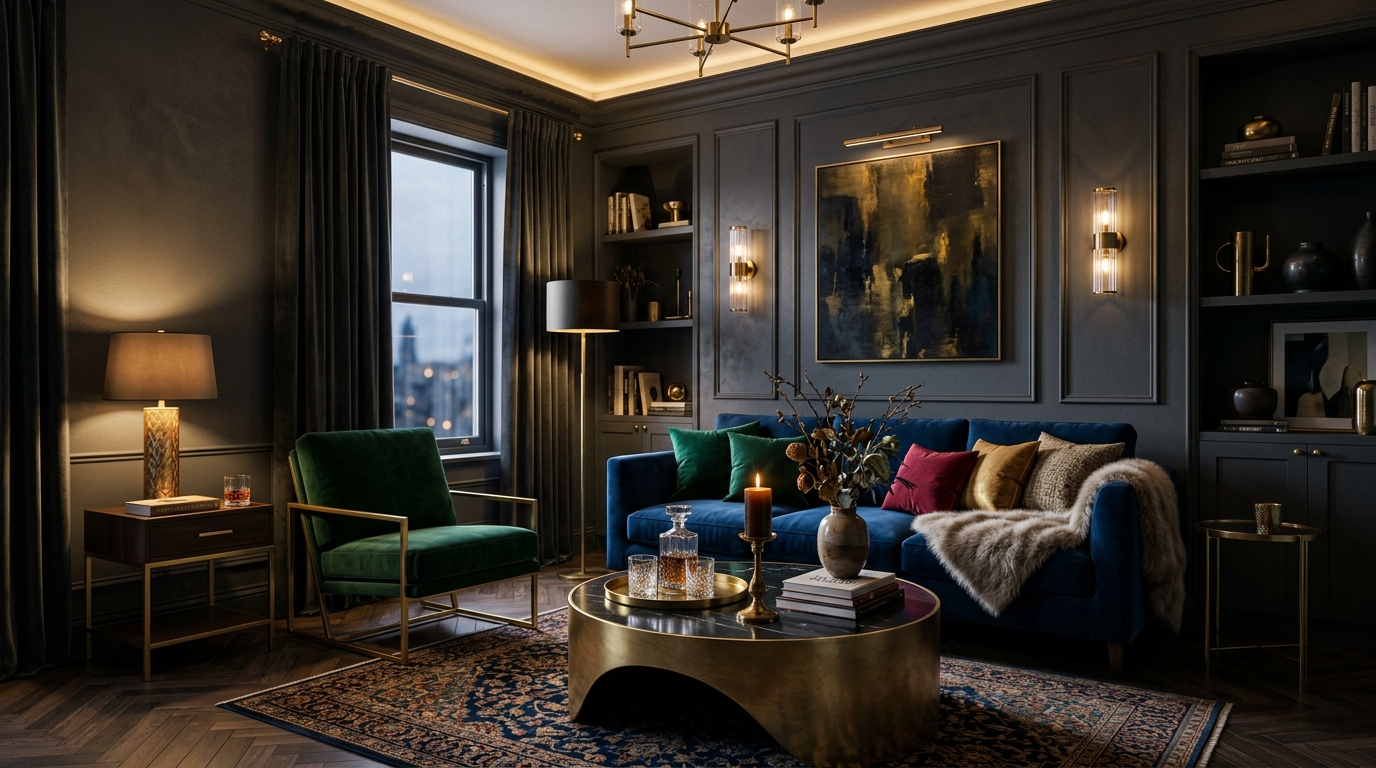
| Moody cocoon bedroom | People who want intimacy and drama | Darker walls, layered bedding, low warm lighting, plush rug | Can feel heavy if the room lacks daylight |
| Hotel-inspired tailored suite | Primary bedrooms with en suite baths | Symmetrical bed wall, integrated lighting, bench, crisp upholstery | Looks stiff if styling is too perfect |
What mistakes should you avoid with master bedroom design ideas in 2026?
The most common mistake is trying to make the bedroom impressive before making it calm. That usually shows up as too many focal points, too many accent colors, or too many small decorative objects. We recommend editing aggressively. If the bed wall is already strong, the room does not need five more “moments.” Another common mistake is picking pieces that are individually nice but collectively unrelated. Bedrooms punish inconsistency because the room is supposed to feel like one emotional environment.
Bad scale is another quiet problem. Tiny rugs, short lamps, narrow art over wide beds, or under-sized nightstands make a master bedroom feel cheaper immediately. We use AI room design to spot these proportion problems early, then compare the corrected versions against resources like AI bedroom design ideas and mid-century bedroom cues. You do not need a bigger budget to fix scale. You need a clearer eye.
Finally, do not ignore the emotional side of the room. A master bedroom is not a catalog page. It should support your real routine. If you read in bed, light for that. If you need blackout conditions, prioritize drapery. If mornings are rushed, organize surfaces to reduce visual noise. In 2026, the best retreat bedrooms feel personal because they are designed around actual use, not just aesthetics.
What questions do people ask about master bedroom design ideas in 2026?
What are master bedroom design ideas in 2026?
Master bedroom design ideas in 2026 are practical choices for layout, color, lighting, textiles, and storage that make the room feel more restful, more polished, and easier to use.
Which colors work best for a master bedroom in 2026?
Warm neutrals, mushroom, cocoa, olive-gray, muted clay, soft ivory, and dusty taupe all work well because they create calm without feeling cold or generic.
How do I make a master bedroom feel more luxurious without overspending?
We recommend spending on the bed wall, layered lighting, larger-scale textiles, and a better rug before decorative extras because those decisions change the whole room fastest.
Can AI room design help plan a master bedroom?
Yes. AI room design lets you compare headboards, wall colors, nightstands, bench options, drapery moods, and layout adjustments before you commit to furniture or paint.
Should the bedroom and bathroom match in 2026?
They do not need to match exactly, but they should feel related. We recommend carrying one or two tones or materials across both rooms so the suite feels intentional.
What is the most common master bedroom design mistake in 2026?
The most common mistake is choosing too many focal points. When the bed, wall color, lighting, art, and accent furniture all compete, the room loses the calm a retreat needs.