AI Dining Room Design Ideas for Better Flow, Lighting, and Finish Choices

Ai Dining Room Design Ideas is the fastest way to turn scattered inspiration into a clear AI-assisted dining room planning for shape, mood, and hosting plan. In 2026, the best boards and AI redesigns are not about collecting more pretty images. They are about making fewer expensive mistakes, faster. If you are one of the people updating a dining area that needs better proportion and atmosphere, this guide shows how to move from vague taste to a usable direction with MyRoomDesigner.AI.
We have reviewed hundreds of room references and watched the same pattern repeat: people delay decisions because they cannot picture the full room together. A solid AI redesign solves that by putting color, finish, furniture, and atmosphere in one place. The result is simpler shopping, cleaner communication, and a much better chance that the finished dining room feels intentional instead of pieced together.
Key Takeaways
- Ai Dining Room Design Ideas gives you a fast visual definition of the room before you spend on samples or furniture.
- AI-assisted dining room planning for shape, mood, and hosting works better when you decide the anchor element first and edit everything else around it.
- 2026 trend shift: warmer textures, fewer but stronger materials, and more realistic room-specific planning beat generic inspiration boards.
- Try it now: Use MyRoomDesigner.AI interior design AI and Dining Room AI redesign page to turn references into a clearer room direction.
What Makes a Great Dining Room AI Redesign in 2026?
Ai Dining Room Design Ideas works when it answers three questions at once: what the room should feel like, what the biggest visual anchors are, and what should definitely not make it into the final version. In other words, the goal is not visual abundance. The goal is decision clarity. We see stronger outcomes when people choose one anchor early, whether that is tile, a bed shape, a sofa, a table, or a built-in desk wall, then let every later decision support that move.
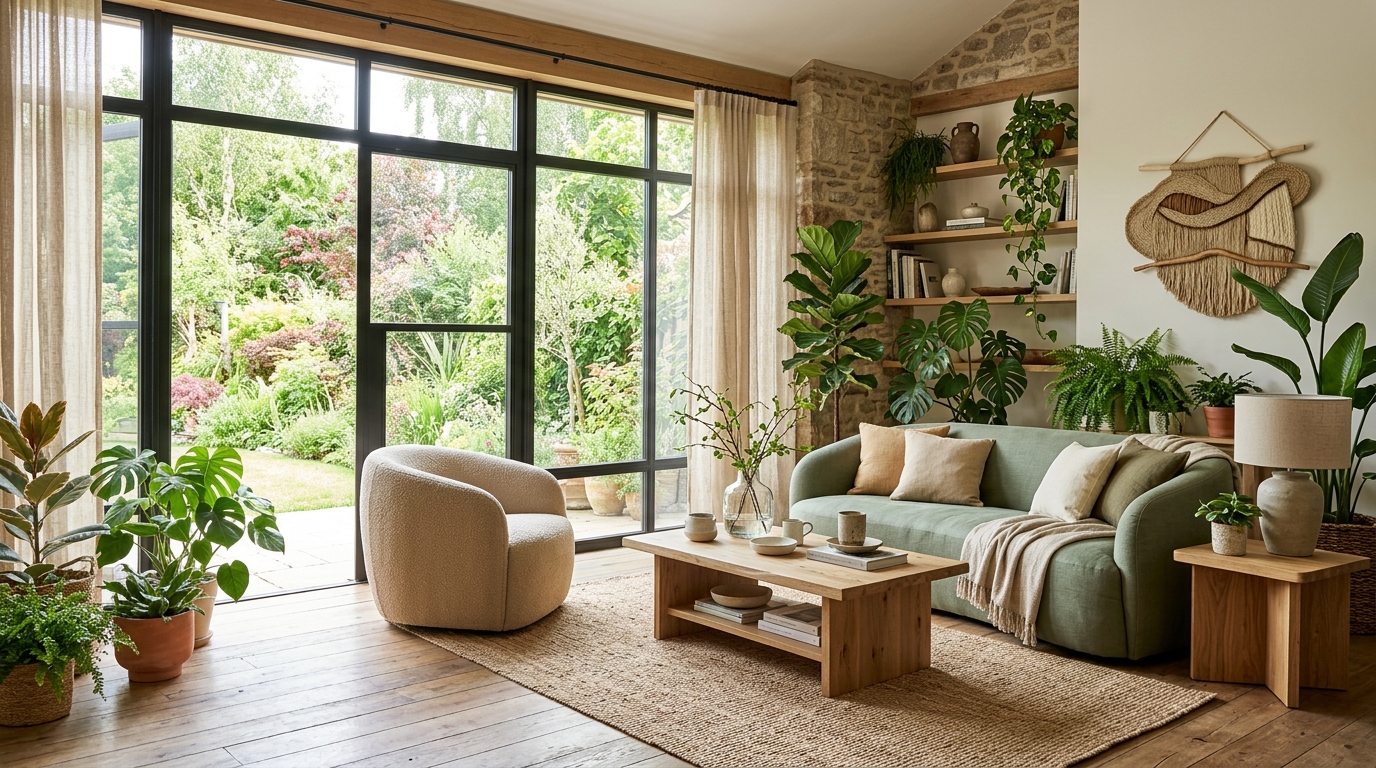
In 2026, the strongest room concepts feel warmer, more tactile, and more edited than the high-contrast inspiration that dominated a few years ago. That matters because rooms are judged in motion and in real life, not as isolated hero shots. When we review room galleries, the best concepts combine practical constraints with a visible story. That is why tools like MyRoomDesigner.AI interior design AI and Dining Room AI redesign page are useful: they shorten the gap between inspiration hunting and a room direction you can actually explain.
Another thing that separates a useful AI redesign from a weak one is specificity. Instead of saying you want something modern, say you want matte oak, creamy plaster, mushroom upholstery, and one black metal accent. Specificity helps the board become a filter. It also makes it easier to compare alternatives later instead of restarting the whole process every time you see a new image online.
How Should You Start When You Have Too Many Dining Room Ideas?
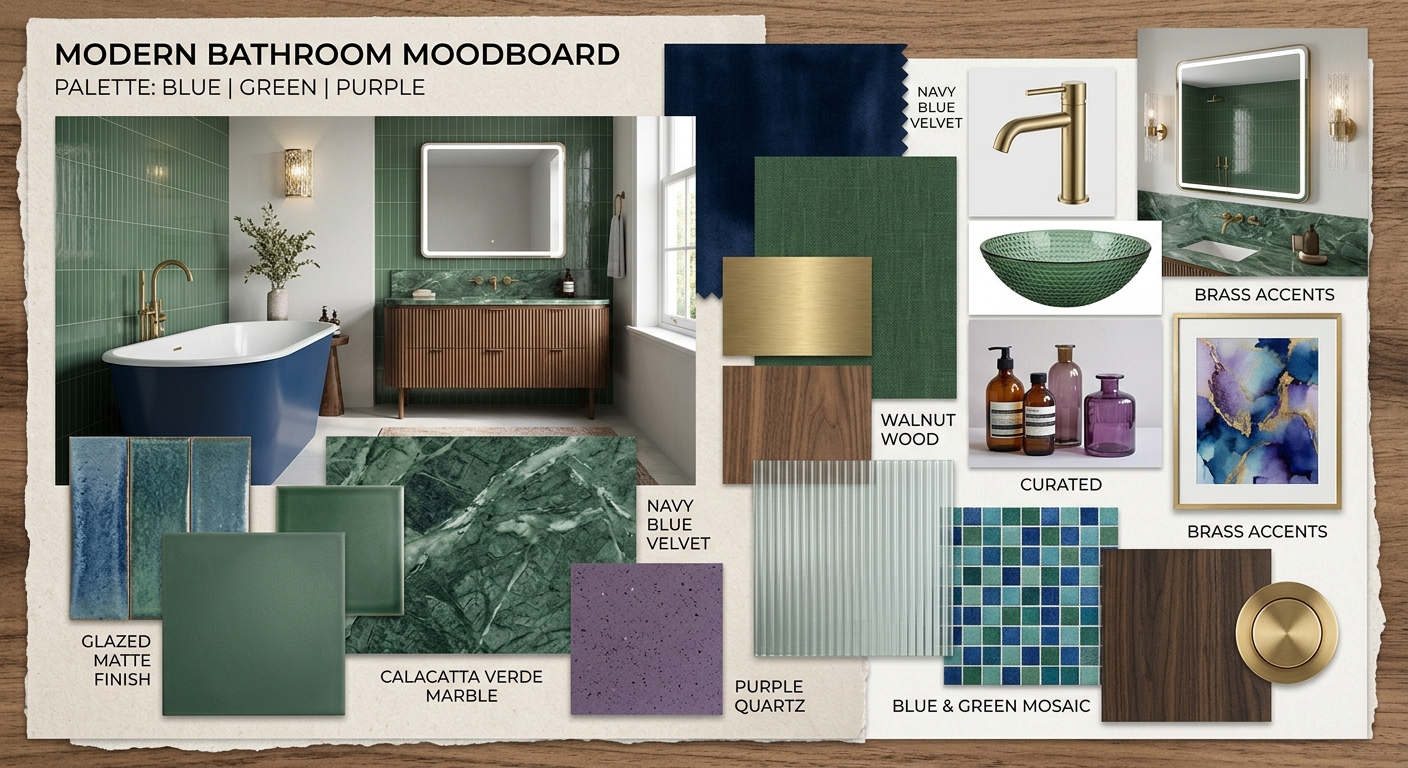
Start by sorting your references into categories rather than trying to design immediately. Pull together examples for palette, materials, furniture silhouettes, lighting, storage, and atmosphere. The reason this works is simple: most people confuse collecting with deciding. Once you can see what category each image supports, you can stop treating every inspiration photo like it has equal weight.
We recommend a three-pass process. First pass: collect quickly. Second pass: remove anything that fights the main direction. Third pass: add only the pieces that make the plan easier to execute. That process sounds basic, but it is one of the most reliable ways to cut hours of indecision. For mood-board workflows, MyRoomDesigner.AI interior design AI is useful for the first pass while Dining Room AI redesign page helps during refinement. For room-redesign workflows, the first pass is your upload and prompt, while the second pass is the shortlist of outputs you keep.
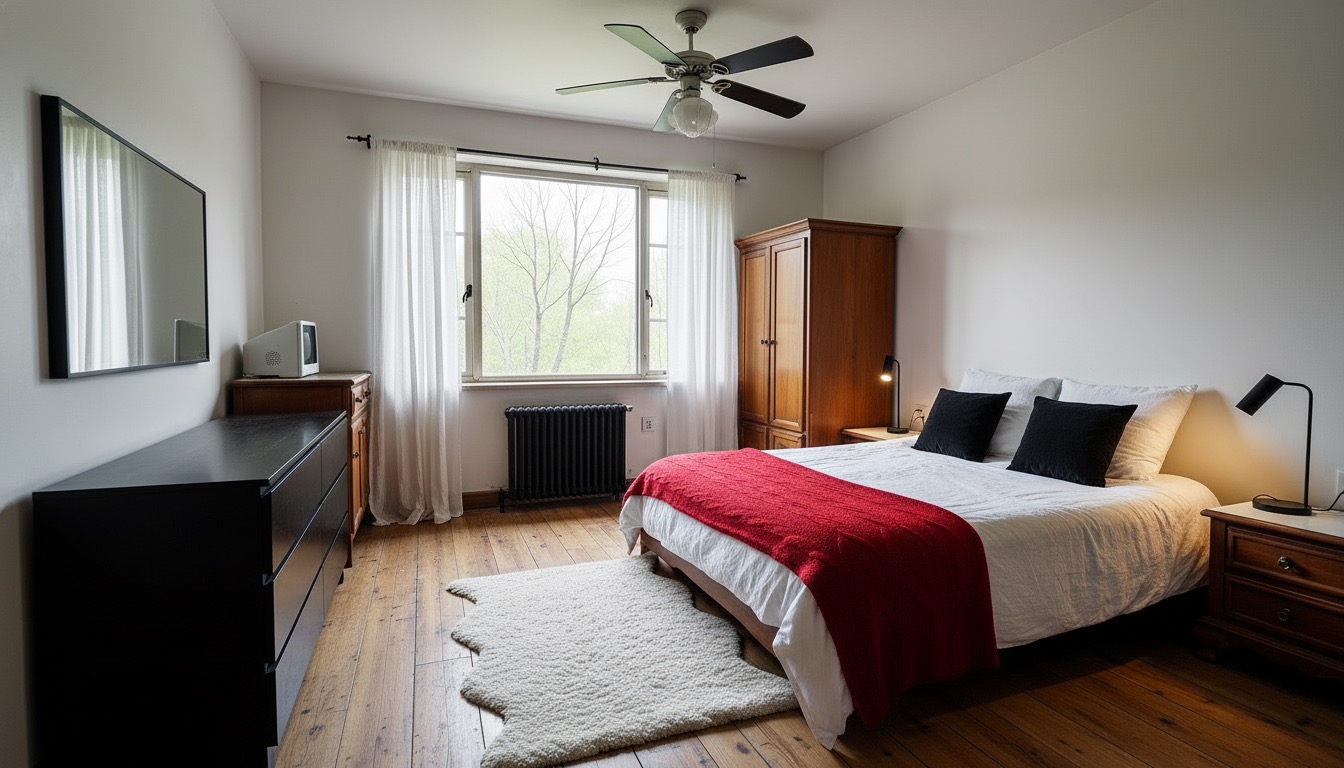
Use a source image that shows both the table zone and surrounding circulation so AI can suggest more balanced proportions. Test chandelier scale and wall treatment separately from furniture style when possible, because dining rooms can change dramatically from those two variables alone. Pay attention to whether the AI output respects real chair clearance. Pretty renders are useless if no one can move around the table comfortably. Those details matter because the room will punish vague choices later. A board that handles these decisions early is not just prettier. It is more efficient, easier to share, and much more likely to survive the reality of samples, suppliers, and budgets.


Which Dining Room Styles and Details Are Worth Testing First?
A good rule is to test one safe direction, one stretch direction, and one hybrid. For this topic, that usually means comparing ideas like warm minimal hosting space, graphic contemporary dining room, soft wood-and-stone calm, boutique-hotel contrast. When you line those up side by side, the room starts to reveal what it wants. Sometimes the safe option feels flat. Sometimes the stretch version looks exciting but impossible to live with. The hybrid is often where the best real-world result lands.
This is also the right moment to compare practical details, not just style labels. Ask whether the floor tone supports the walls, whether the lighting is warm enough, whether storage looks intentional, and whether the contrast level is sustainable day to day. In our experience, the most useful room concepts are the ones that answer daily-use questions. Can it hide clutter? Does it feel calm at night? Will it still look balanced after real objects move in?
If you want a faster reality check, compare the room directions against one of the related guides in how to use ai to design a room, ai living room design ideas, or ai bedroom design ideas. Internal comparisons keep the process grounded because they stop you from judging a concept only by novelty. The point is not to invent the most dramatic room. The point is to identify the version you will still want six months later.
How Does MyRoomDesigner.AI Help You Move Faster Without Losing Taste?
MyRoomDesigner.AI is most useful in the messy middle of the process. That is the point where you already know roughly what you like but still cannot tell whether the direction is clear enough to follow through. We have found that people move faster when they can see several room options in one sitting instead of manually rebuilding the idea every time they want to compare one variable.
For mood-board planning, the speed gain comes from faster image gathering, cleaner visual grouping, and easier editing around one central idea. For AI redesigns, the gain comes from seeing before-and-after concepts on your actual room photo. Either way, the real value is not automation for its own sake. It is the ability to make a better decision in 30 seconds instead of three days. Across our galleries, the room ideas that perform best are usually the ones with fewer competing materials and one obvious emotional direction.
That is also why we keep pushing users toward narrowing the board before they shop. A board that is 80 percent resolved gives you a better buying list, a better conversation with contractors or family, and a better sense of what can wait. MyRoomDesigner.AI interior design AI and Dining Room AI redesign page are strongest when you use them as decision tools rather than inspiration hoarding tools.
What Comparison Should You Use Before Locking the Direction?
Before you call the direction done, compare your options using a simple table. This forces the project out of vague taste language and into tradeoffs. Maybe one concept feels elegant but has higher maintenance. Maybe another looks calmer but lacks contrast. These are exactly the tradeoffs that good planning should reveal before the room is halfway built or furnished.
The table below gives you a fast way to judge whether your workflow is still helping or whether it has become visual procrastination. If your current process creates more screenshots but fewer decisions, it is not working. If it creates a clear shortlist, a stronger palette, and less confusion, you are on the right track.
| Workflow | Best For | What You See | Watch Out For |
|---|---|---|---|
| Pinterest or saved inspiration | Idea collecting | General style references | Not your actual room |
| Sketching or manual mockups | Professional planning | More control over details | Slow for quick comparisons |
| MyRoomDesigner.AI first pass | Fast concept testing | Before-and-after directions on your room | Needs prompt refinement |
| MyRoomDesigner.AI refined run | Narrowing final direction | Sharper visual shortlist | Still verify measurements offline |
What Mistakes Usually Ruin a Dining Room Plan?
The most common mistakes are rarely dramatic. They are usually small compounding issues: using a table that is too large, ignoring chandelier height, forgetting buffet storage, choosing art without considering wall scale. Each one sounds manageable on its own, but together they create rooms that feel slightly off. The board or AI concept exists to catch those frictions before they become expensive or annoying.
Another common mistake is overvaluing the first version. The first board or first AI output is supposed to reveal the direction, not finish the project. We recommend editing aggressively. Remove repeated ideas. Tighten the palette. Push contrast up or down with intent. If the room still feels uncertain, the fix is usually more clarity, not more content.
We also tell people to resist copying every AI detail literally. The final room needs real dimensions, budget logic, and durable materials. The visual concept is a decision tool, not a shopping cart. Treating it that way makes the whole process faster and much less stressful.
How Do You Turn the Final Concept Into a Real Dining Room Update?
Once the direction is clear, build a short action list. Keep the anchor pieces at the top, then note the supporting finishes, then the optional decor. That order matters because it prevents the classic problem of buying accents before the room structure is resolved. We have seen much better outcomes when users move from concept to execution with three clear priorities instead of one giant wishlist.
A practical workflow looks like this: save the final board or AI redesign, list the non-negotiables, verify measurements, and start sourcing only the top-tier items first. If you are still hesitating, compare your shortlist against the room-specific tools at Dining Room AI redesign page and broader direction at MyRoomDesigner.AI interior design AI. That final comparison often exposes which option is exciting but unrealistic and which one is both beautiful and durable.
The good news is that you do not need dozens of versions. Most strong room projects settle after three to five serious iterations. By that point, the room direction becomes obvious. When that happens, stop collecting and start building. That is the real finish line for a useful AI redesign.
What Questions Do People Still Ask About Ai Dining Room Design Ideas?
What are AI dining room design ideas?
They are room redesign concepts generated from your dining room photo. They help you test style, table scale, lighting, storage, and wall treatment directions visually before buying anything.
Can AI help me choose the right dining table size?
It can help directionally by showing balance and proportion, but you still need actual measurements. AI is strongest at visual comparison, not exact clearance calculations.
What should be visible in a dining room photo upload?
Try to include the full table area, at least part of the surrounding walls, and any nearby openings. The more spatial context the AI sees, the more useful the redesign tends to be.
Why is AI useful for dining rooms specifically?
Dining rooms often look simple but depend heavily on proportion. AI helps you compare how table shape, chandelier scale, and finish direction work together before you commit.
Can MyRoomDesigner.AI handle open dining spaces?
Yes. It is especially helpful when a dining area connects to the kitchen or living room and needs to feel coordinated rather than isolated.
How many dining room concepts should I save?
Usually save three: one safe option, one stretch option, and one hybrid. That gives you range without losing the thread of the project.